



I recently went on a week-long adventure into the /Ai /Ais-Richtersveld Transfrontier Park, situated on the border of South Africa and Namibia. This landscape is home to some of the most biodiverse desert flora and succulent species on Earth. At first glance, I was in awe of how such an array of flora could exist in such a harsh landscape. However, upon closer inspection and chatting with park staff, I discovered a more dire situation taking place. The threat of succulent poaching and the impact of climate change on the indigenous Kokerboom (Quiver Trees) has resulted in an alarming threat to the biodiversity in the park and, in turn, the potential loss of income from tourism.
Tourism across Africa depends on the health of its landscapes, wildlife, and communities. From coral reefs in the Indian Ocean to the savannahs of southern Africa, every destination is shaped by the climate. When talking to people in the tourism industry, it is clear that rising temperatures, shifting rainfall patterns, and extreme weather events are now redefining how tourism operates, adapts and survives.
This experience led me to a deep dive into how climate change has historically influenced African destinations, how operators are adapting today, and what steps are being taken to secure the future of the industry.
1. The Climate Has Always Shaped Tourism in Africa
Tourism and climate have always been linked. In Africa, the impact has often been immediate and visible, with droughts, floods, cyclones, and rising seas disrupting operations and changing how people travel.
- Droughts have hit southern Africa’s safari tourism hard. In Kruger National Park, South Africa, nearly one in five drought years has seen visitor numbers drop below average. When rivers and waterholes dry up, wildlife disperses, and game viewing becomes unpredictable.
- Cyclones and floods have destroyed roads, camps, and bridges across the region. Mozambique’s Cyclone Idai in 2019 caused extensive damage to lodges and national parks. While flooding across Kenya has threatened the operations of many tourism destinations, places like Emboo River Camp and Loisaba Conservancy have adapted and become more resilient in the aftermath of devastating floods.
- Coastal erosion and coral bleaching have reshaped Africa’s beach destinations. In Mauritius, up to 70% of coral reefs have been lost, and some beaches have shrunk by 20 metres. The country faces a potential tourism revenue loss of more than $100 million a year if the trend continues.
- Heat and desertification are changing landscapes and livelihoods. In East Africa, repeated droughts have pushed Maasai communities to diversify their income through cultural tourism, handicrafts, and homestays.
2. How Destinations Are Adapting
The examples above show how sensitive African tourism is to climate stress and the need to adapt, with many destinations and communities implementing creative and practical measures.
Safari lodges in arid zones
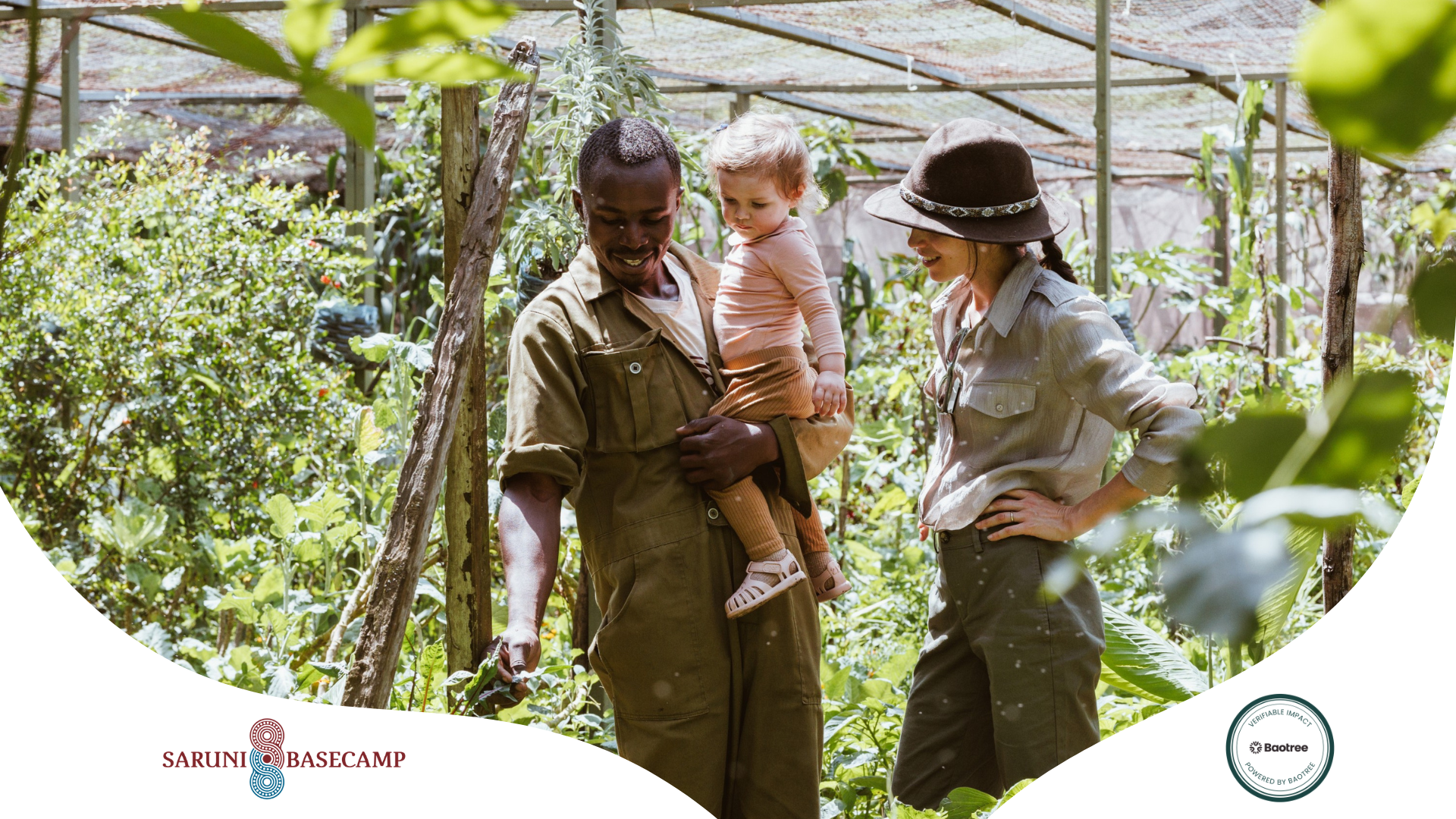
In Zimbabwe, Botswana, and Namibia, camps have redesigned operations around water and energy efficiency. Emboo River Camp in Kenya, for example, runs on solar power, captures rainwater and sources food from its own vertical gardens. These steps cut costs, reduce environmental impact, and reassure guests who increasingly expect sustainable operations.
Coastal and island resorts
Mauritius and Seychelles, where tourism accounts for around 40% of GDP, are restoring coral reefs to protect beaches and hotels. The reefs act as natural sea barriers, and without them, beaches erode faster, and storm surges damage properties. In Kenya, resorts are planting mangroves, rebuilding dunes, and improving rainwater storage to deal with saltwater intrusion.
Cultural tourism and livelihoods
In Tanzania, Maasai communities affected by drought now rely on tourism as a key coping strategy. Household surveys show that people prefer continuing with tourism-based income even during harsh seasons, rather than depending only on livestock. Cultural experiences, village tours, and local crafts are keeping communities stable while preserving traditions.
Urban adaptation
Cape Town’s 2015–2018 drought nearly brought the city’s water supply to a standstill. Tourism businesses took part in the city’s “Day Zero” campaign by installing water-efficient fixtures and promoting responsible visitor behaviour. Hotels, restaurants, and attractions collectively halved their water use, and the city later issued a R1 billion green bond to upgrade infrastructure and improve long-term supply resilience.
Across Africa, these adaptations show that flexibility and collaboration are key. Operators that invest in sustainability not only protect their assets but also strengthen their reputation with conscious travellers.
3. Building Resilience for the Future
African tourism is strengthening its resilience to climate change through coordinated policies, infrastructure investment, business innovation, and community engagement. Governments in countries such as Botswana, Rwanda, and South Africa are integrating tourism into national climate strategies, while global climate funds are financing reef restoration, renewable energy, and other adaptation projects. Destinations are reinforcing roads, bridges, and coastal defences to withstand floods and storms, and cities are upgrading water and energy systems to ensure reliable services for hotels and attractions.
Tourism businesses are also adapting their operations. Many are adopting eco-certification standards, like those provided by EcoTourism Kenya, using data to anticipate changes in demand and sustainability efforts. Community participation is central to this effort, with local people involved in conservation, restoration, and cultural tourism initiatives that create shared economic benefits. By diversifying attractions through the combination of wildlife, culture, and adventure, destinations remain competitive even as conditions shift. At the same time, platforms like Baotree allow organisations to capture the data needed for better planning and resource management.
Together, these efforts aim to make African tourism more resilient, ensuring destinations can continue to thrive despite the growing pressures of climate change.
4. The Path Ahead
Climate change is already reshaping African tourism, but it also presents a chance to redefine the industry. Resilient operations, local partnerships, and smarter planning can keep destinations viable while protecting the natural and cultural assets that make them unique.
By embedding climate awareness into every level, from lodge management to national tourism policy, Africa’s tourism sector can continue to grow, even as the environment changes.
If you’re working in tourism and facing climate-related challenges, I’d like to hear your story. How is your destination adapting, and what barriers are you seeing on the ground?